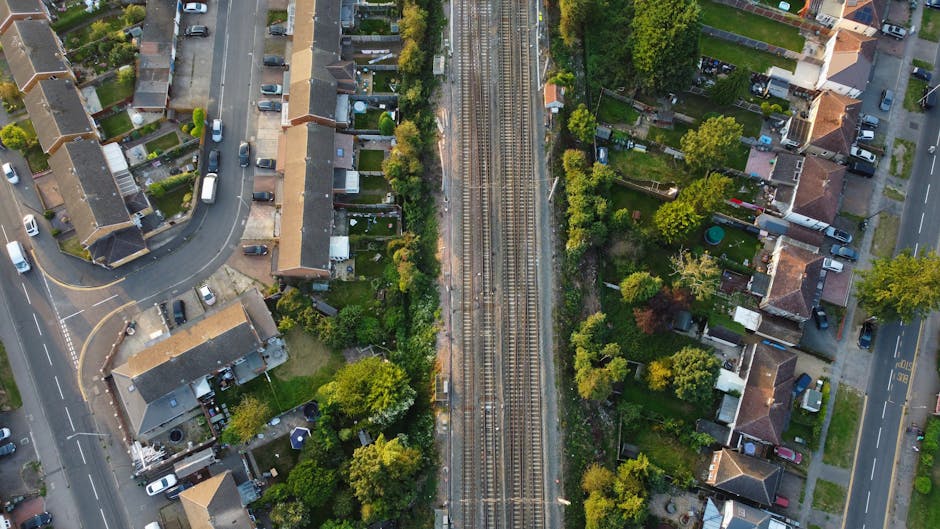
Find reliable gardeners near Plumstead station SE18: a practical guide to choosing trustworthy local help
If you are trying to find reliable gardeners near Plumstead station SE18, you probably want the same thing most people do: someone punctual, tidy, and capable of looking after a garden without creating more work for you later. That might mean regular lawn care, hedge trimming, a one-off garden clearance, or a proper tidy-up before a sale or family visit. Whatever the job, the right gardener should make the outdoor space feel under control again. Simple as that.
But let's be honest, "reliable" can mean different things to different people. For one homeowner it means turning up on time. For another, it means understanding planting, pruning, and seasonal maintenance without being told every detail. This guide breaks down how to choose well, what to ask, what to avoid, and how to compare services near Plumstead station in a way that feels sensible rather than rushed.
By the end, you'll know how to shortlist local gardeners, spot good value, and pick a service that suits your garden, your budget, and your expectations.
- Why it matters
- How it works
- Key benefits and practical advantages
- Who this is for and when it makes sense
- Step-by-step guidance
- Expert tips for better results
- Common mistakes to avoid
- Tools, resources and recommendations
- Law, compliance, standards, or best practice
- Options, methods, or comparison table
- Case study or real-world example
- Practical checklist
- Conclusion
- Frequently asked questions
Why Find reliable gardeners near Plumstead station SE18 Matters
In a busy part of south-east London, gardens often have to work hard. They may be small, overlooked, shared, or simply squeezed in between everyday life and the weather. A reliable gardener does more than cut grass. They help prevent a garden from slipping into that awkward halfway state where weeds take over, hedges become shaggy, and the whole place starts to feel like a chore every time you look out the window.
Near Plumstead station SE18, people often need local help for practical reasons. Commuting leaves little daylight in the week. Family schedules are packed. Some properties have front gardens that affect kerb appeal, while others have back gardens that need regular attention to stay usable. A dependable gardener keeps on top of it before the task becomes a big one. That matters, because overgrown spaces are more expensive and more stressful to sort out later.
There is also the trust factor. You may be asking someone onto your property while you are at work, away, or managing children and pets. Reliability is not just about gardening skill; it is about communication, consistency, and respect for your space. If they say they will arrive at nine, you should not be waiting until lunchtime wondering what happened. Truth be told, that basic courtesy tells you a lot.
Expert summary: the best local gardener is not always the cheapest or the most heavily advertised. It is usually the person who understands the job clearly, communicates well, and leaves your garden tidier and easier to manage than before.
How Find reliable gardeners near Plumstead station SE18 Works
The process is usually straightforward, though the quality of the result depends on how well you define the job. Most people start with a list of tasks: mowing, hedge trimming, weeding, pruning, garden clearance, or a seasonal tidy-up. From there, a gardener may visit, assess the space, and give a quote based on labour, access, waste removal, and the time required.
In practice, the process works best when the customer provides clear details. Is the garden at the front, back, or both? Is there side access? Are there narrow steps, heavy overgrowth, or difficult waste bags to move? These small details change the amount of time and effort involved. A reliable gardener will usually ask these questions anyway, which is a good sign. If they do not ask much and quote too quickly, that can be a red flag.
For regular maintenance, the arrangement may be weekly, fortnightly, or monthly, depending on the season and the size of the garden. For one-off jobs, the work may be booked around weather, disposal logistics, and how much cutting back is needed. There is often a bit of flexibility here. A crisp spring morning can be ideal for pruning, while a damp afternoon in autumn might be better suited to clearance and waste collection. Not glamorous, but that is the real world.
If you are comparing providers, look at how they structure their service. Some gardeners focus on light maintenance. Others handle larger landscaping tasks or mixed services. A broader service range can be useful if your garden needs more than a quick tidy. You can explore options like garden maintenance, lawn mowing, and hedge trimming to understand how those jobs are typically grouped.
Key Benefits and Practical Advantages
When you choose well, hiring a gardener brings more than convenience. It can change how the whole home feels. The garden stops being a background worry and becomes a usable part of daily life again. That is no small thing, especially in London where outdoor space is often limited and precious.
- More consistent upkeep: regular visits prevent the garden from getting out of hand.
- Better first impressions: a neat front garden can lift the look of the whole property.
- Less personal stress: you do not have to squeeze heavy outdoor jobs into weekends.
- Improved plant health: pruning, trimming, and clearing at the right time can reduce damage.
- Safer outdoor spaces: removing trip hazards, dead branches, and slippery overgrowth helps keep the garden usable.
One thing people often underestimate is momentum. Once a garden is tidied properly, it becomes easier to maintain. You mow faster. Weeding takes less time. Even simple things like emptying a compost bin or sweeping a patio do not feel quite so annoying when the rest of the space is in order.
There is also value in using someone who understands local conditions. Around Plumstead and wider SE18, gardens may face a mix of shade, compacted soil, wind exposure, and patchy sunlight depending on the property layout. A thoughtful gardener will not treat every garden the same. They will notice the awkward corner where moss gathers or the boundary hedge that grows faster than everything else. That sort of detail makes a difference.
Who This Is For and When It Makes Sense
This service makes sense for a wide range of people, not just homeowners with large gardens. In fact, some of the most common jobs are small but frequent. A front strip that needs a monthly tidy. A back garden that gets wild after holidays. A rented property that needs a reset between tenants. Or a family garden where nobody has time to battle the ivy, the lawn, and the leaves all at once.
You may especially benefit if you are:
- a busy commuter working around station-area travel times;
- a homeowner preparing to sell or rent a property;
- a landlord who wants external spaces kept presentable;
- an older resident who prefers not to tackle heavy garden work alone;
- someone with a new build or small urban garden that still needs proper upkeep;
- a family wanting the garden ready for children, pets, or weekend use.
Sometimes the trigger is seasonal. You notice the lawn suddenly looking tired in early spring, or you return after a wet spell and the whole place looks different. Other times it is practical and immediate: a hedge blocks light, waste has piled up, or the fence line needs clearing. Either way, a good local gardener can save a lot of faff.
If the job goes beyond basic upkeep, you might also look at wider services such as garden clearance, landscaping, or landscape gardening when the space needs a more substantial reset.
Step-by-Step Guidance
If you want a reliable result, do not start with price alone. Start with the job. Then match the gardener to the job. That is the cleaner way to do it, and it usually saves grief later.
- Write down what needs doing. Be specific. "Garden tidy-up" is a start, but "front lawn mowing, back hedge reduction, weed removal, and green waste removal" is much better.
- Take a few clear photos. Wide shots and close-ups help the gardener judge the work. Morning light is often best because you can see the real shape of the garden, not just the shadows.
- Check service fit. Some gardeners focus on maintenance, others on clearance or landscaping. If your garden needs several tasks, look for a provider that covers them coherently.
- Ask how they price. Is it hourly, fixed price, or based on the size of the job? Ask whether waste disposal is included. Small detail, big difference.
- Confirm timing and access. Make sure they know whether they can access the property, where to park, and whether anyone will be home.
- Ask about tools and waste handling. A professional should explain what they bring and how clippings, branches, or debris will be dealt with.
- Set expectations for finish. For example: edges trimmed, paths swept, waste bagged, and anything fragile left alone. That saves awkwardness.
- Review after the first visit. Did they communicate well? Did they leave the space tidy? Did they do what they said they would? That first job tells you a lot.
If you are not sure what level of work your garden needs, start with a maintenance visit. A good gardener can often tell you whether you need recurring care, a one-off clearance, or a more ambitious redesign. That conversation is usually more useful than trying to guess everything yourself.
Expert Tips for Better Results
Here is the part people often miss: the best gardening results come from clear communication, not just hands in the soil. A skilled gardener can do brilliant work, but only if they understand your priorities. Do you care most about neatness, plant health, low maintenance, or making the space ready for summer seating? Those goals are not always the same.
Tip 1: ask for seasonal recommendations. A gardener who knows the area should be able to tell you what needs attention now versus later. For example, some hedges can tolerate shaping at certain times better than others, and lawns can suffer if cut too short during hot, dry spells.
Tip 2: keep a simple record. Nothing fancy. Just jot down what was done, when, and what needs checking next time. It sounds a bit grown-up, I know, but it helps. Especially if you have a garden that changes fast.
Tip 3: be upfront about budget. It is much better to say, "I need to keep this within a fixed amount" than to hope the quote lands where you want it. A reliable gardener can often prioritise the work sensibly.
Tip 4: watch how they handle the first conversation. Do they ask useful questions? Do they explain options clearly? Or do they leap straight to a vague promise? The first person is usually the one you keep.
Tip 5: if you need regular upkeep, align it with the seasons. Spring and early summer often need more frequent visits. Late autumn may be about clearing leaves and managing growth before winter sets in. Gardens do not keep office hours, sadly.
One more thing: reliable gardeners tend to be consistent in small ways. Clean tools. Clear messages. Realistic timings. Those little things matter more than flashy language on a page ever will.
Common Mistakes to Avoid
It is very easy to choose quickly when a garden looks messy and you just want it sorted. Fair enough. But a rushed decision can lead to poor value or more work later.
- Choosing on price alone: the cheapest quote may leave out waste removal, edge finishing, or proper tidying.
- Being vague about the work: if you do not define the job, the result may not match your expectations.
- Ignoring access issues: narrow side passages, locked gates, or parking restrictions can change the job significantly.
- Assuming every gardener does every task: some specialise in maintenance, others in clearance or larger landscaping jobs.
- Skipping basic checks: ask about insurance, safety practices, and how waste will be handled.
- Not confirming timing: a missed appointment is annoying, but repeated no-shows are a clear signal to move on.
A common one is forgetting to ask whether the quote covers more than labour. Waste, disposal, fuel, and extra materials can all affect the final cost. That does not mean a quote is bad. It just means you need it explained properly.
And yes, sometimes gardens become a bit more complicated than expected once the work starts. Roots, hidden rubbish, awkward branches, or wet ground can all slow things down. A good gardener will tell you that honestly rather than pretending it is all fine and then leaving a half-done job. You want honesty over theatre.
Tools, Resources and Recommendations
When comparing gardeners, the most useful "resources" are usually the practical details they provide about their services. A good website or service page should tell you what work is covered, how quotes are handled, and what standards they work to. For example, you can review the services overview to get a broader picture of the kinds of garden work available.
For buyers who want a bit more confidence, these pages can also help explain how a provider approaches trust and responsibility:
- about the business for background and approach;
- pricing and quotes for transparency around costs;
- insurance and safety for peace of mind;
- health and safety policy for working practices;
- recycling and sustainability if you care about green waste handling.
From the customer side, the most useful tool is still a short written brief. A few photos, a list of priorities, and a note about access often beat a long phone call. If you like things neat, make a simple one-page outline. If you are more casual, a few clear messages can do the job. Either way, the goal is the same: reduce misunderstandings before anyone picks up a tool.
For gardens that need more than basic upkeep, it can help to understand whether the work sits closer to mowing, clearance, hedge work, or landscaping. That makes it easier to compare quotes fairly and avoid mismatched expectations.
Law, Compliance, Standards, or Best Practice
Garden services are not usually complicated from a legal point of view, but there are still sensible standards to expect. A reliable gardener should work safely, respect property boundaries, and handle waste responsibly. If tools, ladders, cutting equipment, or vehicles are involved, basic safety awareness matters. Nobody wants a near miss on a wet path or a damaged fence panel because someone rushed.
In the UK, good practice usually includes proper insurance, safe use of equipment, and clear handling of garden waste. Depending on the job, there may also be considerations around noise, access, working hours, and protecting shared spaces in terraces or flats. Those are not dramatic compliance issues, but they are part of professional behaviour.
If a gardener is using chemicals, power tools, or doing heavier clearance work, ask how they manage safety. You do not need a lecture. Just a clear answer. The same goes for waste removal: ask where clippings, soil, branches, and other debris go. Reputable operators should explain their process plainly.
It is also reasonable to ask whether they are insured and whether they have a complaints process if something goes wrong. That sounds formal, maybe even a little stiff, but it is actually a sign they take the work seriously. For policy-level detail, pages such as complaints procedure and payment and security can help you judge how professional the business is.
Options, Methods, or Comparison Table
Not every garden needs the same type of help. The right option depends on how much work is involved and how often the space needs attention. Here is a simple comparison to make the choice easier.
| Service type | Best for | Typical focus | What to check before booking |
|---|---|---|---|
| Regular garden maintenance | Busy households, tidy front and back gardens | Weeding, mowing, edging, light pruning | Visit frequency, tools provided, waste handling |
| One-off garden clearance | Overgrown gardens, move-ins, move-outs, seasonal resets | Cutting back, clearing debris, removing clutter | Disposal costs, access, how much waste is included |
| Hedge and shrub work | Gardens where boundaries or screening need attention | Shaping, trimming, reduction, tidy edges | Timing, height limits, finish expected |
| Landscape gardening | Gardens needing layout changes or a bigger refresh | Design, reworking beds, surfaces, planting plans | Scope, materials, schedule, aftercare |
If you are unsure where your job fits, a good starting point is a maintenance review. That can reveal whether you need a simple tidy-up or a larger intervention. For more specialised work, browsing hedge trimming, tree lopping and removal, or decking services may help you shape the brief.
Case Study or Real-World Example
Here is a realistic example. A homeowner near Plumstead station had a back garden that looked fine from the kitchen window, but on closer inspection it had a tired lawn, overgrown edges, a hedge leaning into the path, and a patch of garden waste that had been sitting there far too long. Nothing dramatic. Just enough to nag at them every weekend.
They started by taking a few photos in daylight and listing the issues in order of importance: clear the waste, trim the hedge, cut the grass, and tidy the borders. A reliable gardener visited, explained that the hedge would need careful shaping rather than a harsh cut, and confirmed that waste removal would be part of the price. The work took one visit for the main tidy and a follow-up visit a few weeks later to maintain the improvements.
The useful part was not only the visible result. It was the reduced mental load. The garden stopped feeling like a problem to avoid. The homeowner could open the door, step outside, and actually enjoy the space without seeing a to-do list. That is the quiet value people often want but do not always say out loud.
Sometimes the best gardening job is the one that makes your home feel easier to live in. Not glamorous. Just good.
Practical Checklist
Use this checklist before you book anyone to work on your garden.
- Have I clearly listed the jobs I want done?
- Have I taken photos of the garden in daylight?
- Do I know whether I need maintenance, clearance, or a larger landscaping job?
- Have I asked whether waste removal is included?
- Have I confirmed access, parking, and any gate or key arrangements?
- Have I checked whether the gardener is insured and works safely?
- Have I asked how they handle delays, weather issues, or schedule changes?
- Do I understand the quote and what is excluded?
- Have I looked at relevant service pages to understand their approach?
- Do I feel comfortable with their communication style?
If you can tick most of those off, you are in a much better position. Not perfect, maybe, but solid. And solid is what you want when someone is caring for your garden.
Conclusion
To find reliable gardeners near Plumstead station SE18, focus on clarity, consistency, and fit rather than simply chasing the lowest price. The best choice is usually the gardener who understands your space, communicates well, and handles the work with proper care. That might be regular maintenance, a one-off clearance, or a more involved garden refresh.
If you define the job clearly, ask sensible questions, and compare options by service quality as well as price, you are far more likely to get a result that lasts. And that makes life easier, week after week. A garden should feel like a small relief, not another burden hanging over you.
Get a free quote today and see how much you can save.
When you find the right local help, the whole space starts to breathe again. That is the real win.
Frequently Asked Questions
How do I know if a gardener is reliable?
Reliability usually shows up in the basics: they respond clearly, arrive when they say they will, explain the work properly, and leave the garden tidy. Good communication is often the best early signal.
What should I ask before hiring a gardener near Plumstead station SE18?
Ask what services they provide, whether waste removal is included, how they price jobs, whether they are insured, and what they need from you for access. Straightforward questions, but very useful ones.
Is it better to book a one-off visit or regular maintenance?
That depends on the garden. If it keeps growing fast or you want a consistently neat space, regular maintenance is usually better. If the garden is just overgrown or needs a seasonal reset, a one-off visit may be enough.
How much detail should I give when asking for a quote?
As much as you can comfortably provide. A short list of tasks, a few photos, and notes about access or waste removal will help produce a more accurate quote. The clearer the brief, the fewer surprises later.
Do gardeners usually remove garden waste?
Many do, but not all include it in the base price. Always check. Waste handling can affect both cost and timing, especially for larger clearances or bulky branches.
What if my garden needs more than simple mowing?
If the job includes hedges, shrubs, overgrowth, or layout changes, you may need a gardener who also offers clearance or landscaping. It is worth checking broader service pages before booking anything.
Can a gardener help make a small garden look bigger or tidier?
Yes, very often. Careful trimming, better edge definition, clearing clutter, and sensible planting choices can make a compact garden feel more open and less crowded. Sometimes the fix is mostly visual, and that is fine.
What are the signs of poor-quality garden work?
Common signs include uneven cutting, missed areas, sloppy edges, leftover waste, poor communication, and a habit of turning up late. One small miss can happen. Repeated issues are another matter.
How often should a garden near SE18 be maintained?
It varies by season, size, and planting, but many gardens benefit from visits every one to four weeks during active growing periods. Heavier growth in spring and summer often needs more attention than winter.
Should I choose a gardener based on a website alone?
A website is a useful starting point, but it should not be the only thing you rely on. Look for clear service descriptions, practical policies, and evidence of sensible working practices. Then ask questions before you commit.
What if I only need help once a season?
That is completely normal. Many people book seasonal clear-ups in spring and autumn. Those visits can keep the garden manageable without needing year-round visits. Handy, really.
How do I compare quotes fairly?
Compare like with like. Check whether each quote includes labour, waste removal, materials, and follow-up visits if needed. A lower quote is not better if it leaves out half the job.